

Commitment: Restriction or Freedom?
Lessons from 10 days in silence. How to re-frame making choices.

I’ve just emerged from 12 days in a Château in the south of France, where I spent 10 days in silent meditation. No talking, no touching, no eye contact, no gestures, no writing, no reading, no technology, not even any mirrors. The goal is to reduce all external stimulus to allow a greater space for internal connection.
A chance meeting with a backpacker in Bangkok
This was my third and longest time going on this kind of self-imposed exile. The first time, I was 20, visiting Thailand. In Bangkok I had met a traveler in a hostel on the Khao San Road who told me about this “crazy monastery on a remote island full of dead monks.” This was the early 2000s; Thailand was high off the fumes of Leo DiCaprio’s The Beach. It wasn’t a secret map, but I heard the story and knew I needed to know more. It was the days before smartphones(!), so with just a Lonely Planet book in hand I found my way by bus to Southern Thailand and hopped on a small fishing boat. I arrived at the door of the monastery with zero idea of what to expect. I was greeted by a monk, told to strip down all my clothes and leave my belongings outside the door of the monastery. I was handed robes to wear and told to follow the nun. What follows now feels like a surreal dream.
I slept on a wooden plank, got woken before dawn by a bell and ushered to a meditation hall. I will preface by saying that before this, I knew nothing about Buddhism or had even heard of the idea of meditation. All I remember was sitting in that hall all day, in total agony. Every limb in my body hurt from the hard floor I was sitting on and the hard bed I had slept on. Yet these nuns and monks around me were perfectly still. How could this be? I was dumbfounded by the quiet power these men and women had over their bodies and mind. On the third and final night I was awoken in the night to do a barefoot walking meditation across the clifftop. The nighttime sea air blew deafeningly in my ears. My feet burned with every step. In the morning light I examined my feet to find them covered in red ant bites. I’ll come back to the dead monks later in another post.
Suffice to say, it took me many years to brave this what seemed like rare punishment again. My second time in silence was much more beautiful and comfortable: 5 days in Nicaragua with a New York Buddhist centre, Three Jewels. There I learnt that my brain can be a safe and peaceful place.
Which takes me to today. I booked this trip on a total spontaneous whim (things you can do when you leave your job!). I booked the flight on Sunday and left NYC on Monday. Fresh off a long-haul flight, I arrived in the Château exhausted and buzzed. My first thought was “why is everyone walking SO SLOWLY?” My New York energy was flummoxed.
Choice without commitment creates contraction
The schedule was grueling. Meditation and lectures from 7am to 11pm. Averaging 8-9 hours meditation in 2-3 hour stints. Bells were rung throughout the property to signal when to wake up, when to eat, when to sleep. I spent the first three days feeling like a petulant teenager. I was furious. I was tired. My body hurt. I felt like I was being sent to detention every time a bell rang. Unsurprisingly my meditations were hard. My mind spun with anxiety and uncomfortable rumination. I wasn’t “getting” it. Why wasn’t I peaceful? Why wasn’t it WORKING?
Then on day four in the second hour of my 7am morning meditation, something shifted. I realized I had chosen to be here. No one was making me show up. And that by choosing but not committing to the retreat, I was tying a noose around my neck. Instead of spending the time in meditations creating space for new experiences, I was spending time thinking of ways to get out. Bargaining with myself for freedom. But in fact, I had created a prison in my own brain. I gave myself the challenge: really commit for the next 48 hours, and if after that I still wanted out, I could leave. Suddenly everything in my body loosened.
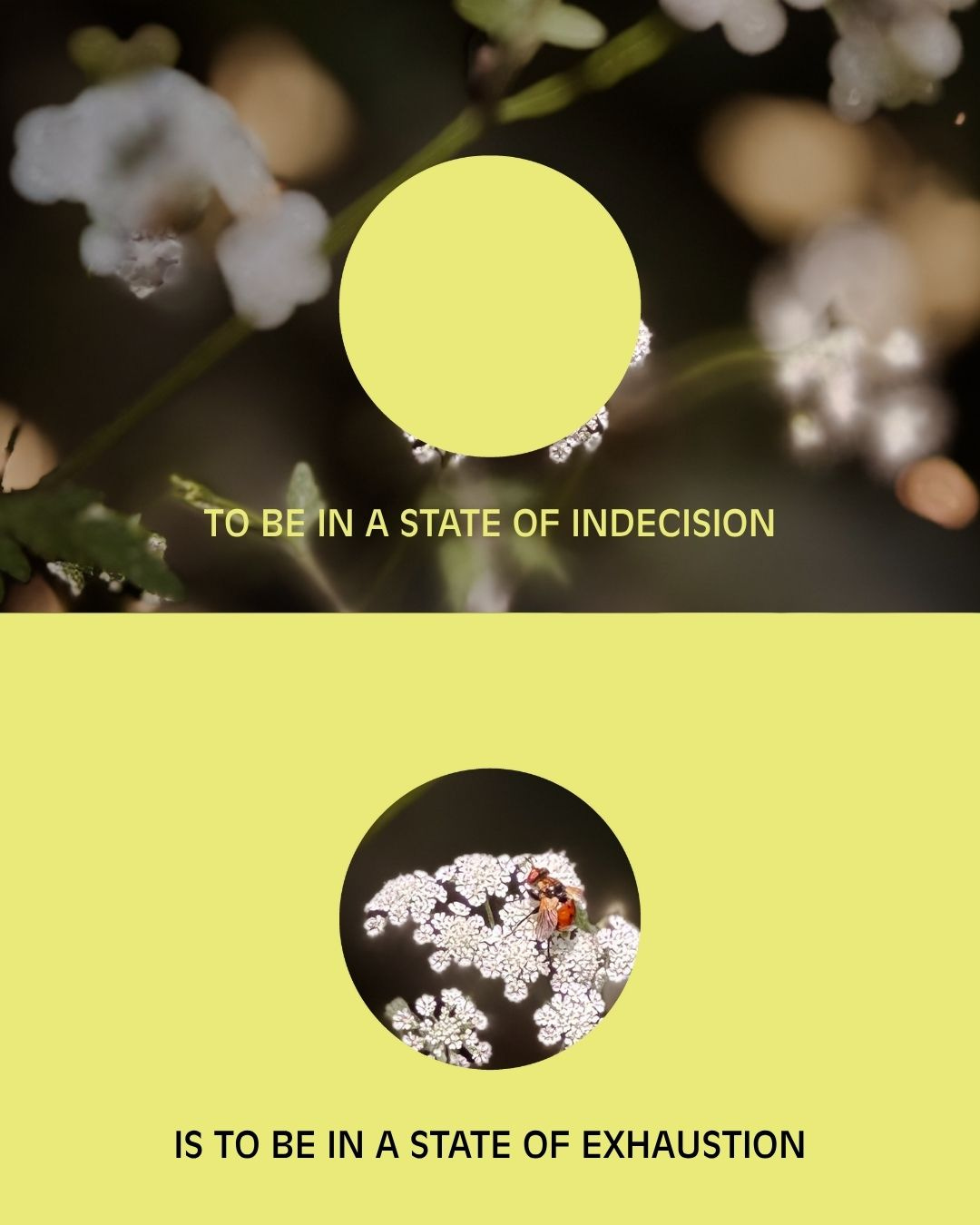
We often think by choosing, but not fully committing, we are giving ourselves an exit strategy. More room for future options. But that’s such a dumb fallacy. It just wastes energy ruminating the choice over and over. It doesn’t serve ourselves and it doesn’t serve those around us. My angsty fidgety energy in the meditation hall was not helping to relax those on the mat next to me. We all know how draining it feels to work with a colleague who doesn’t want to be there, or how painful it is to be in relationship with someone not all in. It’s painful and draining for the non-committed party too. To be in a state of indecision is to be in a state of exhaustion.
Choice with commitment creates expansion
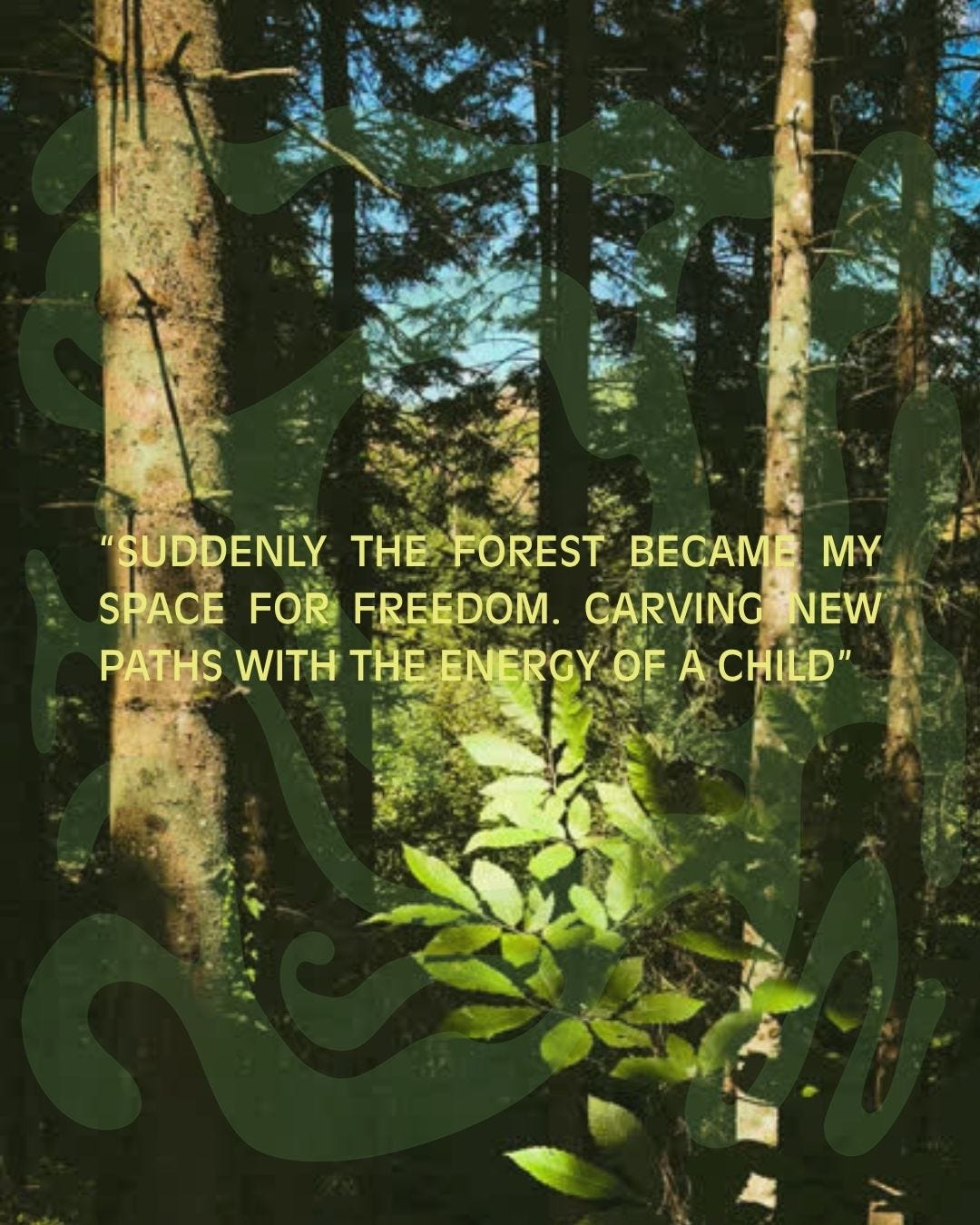
Paradoxically, to really commit to a choice is so FREEING. The moment I decided to stop fighting, my whole energy expanded. I didn’t waste time debating in my head anymore. Now I had energy to create within the choice I had made. In the breaks between meditations, suddenly the forest became my space for freedom. Carving new paths with the energy of a child. I felt utterly free. I walked the gardens in peace, stopping to observe the bees harvesting the lavender. My meditations shifted too. My mind got less anxious and I found more space. Whenever I found frustration creeping back in, I reminded myself of my commitment. I began to use this expanded mental space to process and detach past events, and dream up new futures.
Commitment is like a balm for our anxiety
Why do we feel better once we’ve doubled down on a choice?
Cognitive Closure = Reduced Anxiety
Closing the loop of indecision is like a deep exhale for your mind. Your brain no longer has to evaluate a million options or outcomes. That mental relief alone can boost your mood and free up cognitive energy.Momentum > Motivation
When you commit, you don’t wait to “feel like it.” You act anyway. That repetition builds momentum. You start to feel better because you’re in motion, not stuck.
Emotional Regulation
Sticking with a routine or relationship gives your nervous system predictability, which lowers stress and helps regulate mood. Consistency = safety = clarity.
Agency + Self-Trust Grow.
Committing and following through builds self-trust. And with that comes a sense of agency, the belief that you can create change in your life. That alignment between action and identity creates a sense of internal congruence, an emotional and psychological “click” that feels good.
You can always change your mind!
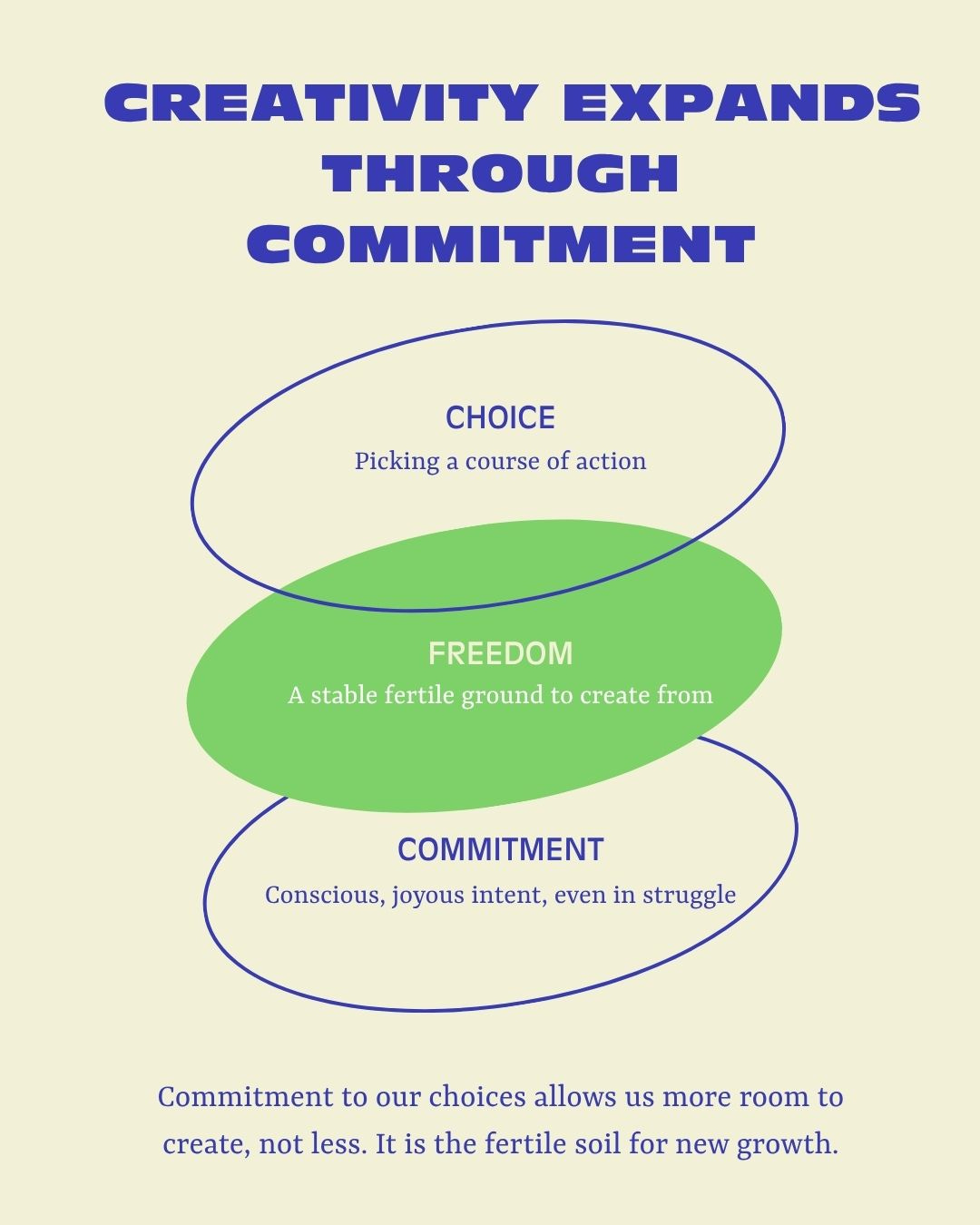
The thing with commitment is that it doesn’t have to mean forever. At any point I could have decided to leave the retreat. In fact, a few people did leave midway through, finding the struggle too hard. But I knew that I would feel a hell of a lot better leaving, knowing I had really really gone all in. Try showing up to that job you don’t like on Monday with fresh commitment, and watch how your energy shifts. Even if you still decide to take a new job in three months, you will be coming from a much more grounded and conscious place. For me, often once I double down I often end up actually enjoying it and get joy out of something I previously felt stuck in. This is as simple as committing to that hour of workout, instead of being there wishing the class was over.
If you really can’t fathom committing to a choice you made, even for a time-bound period, then it’s probably a signal you need to make a different choice. And that is important information to act from.
Prompts for self reflection
What are you choosing but not committing to in your life?
What would happen if you really committed for a time-bound period?
Are there any choices you need to change?